AI-Based Overload Indicator for Winches

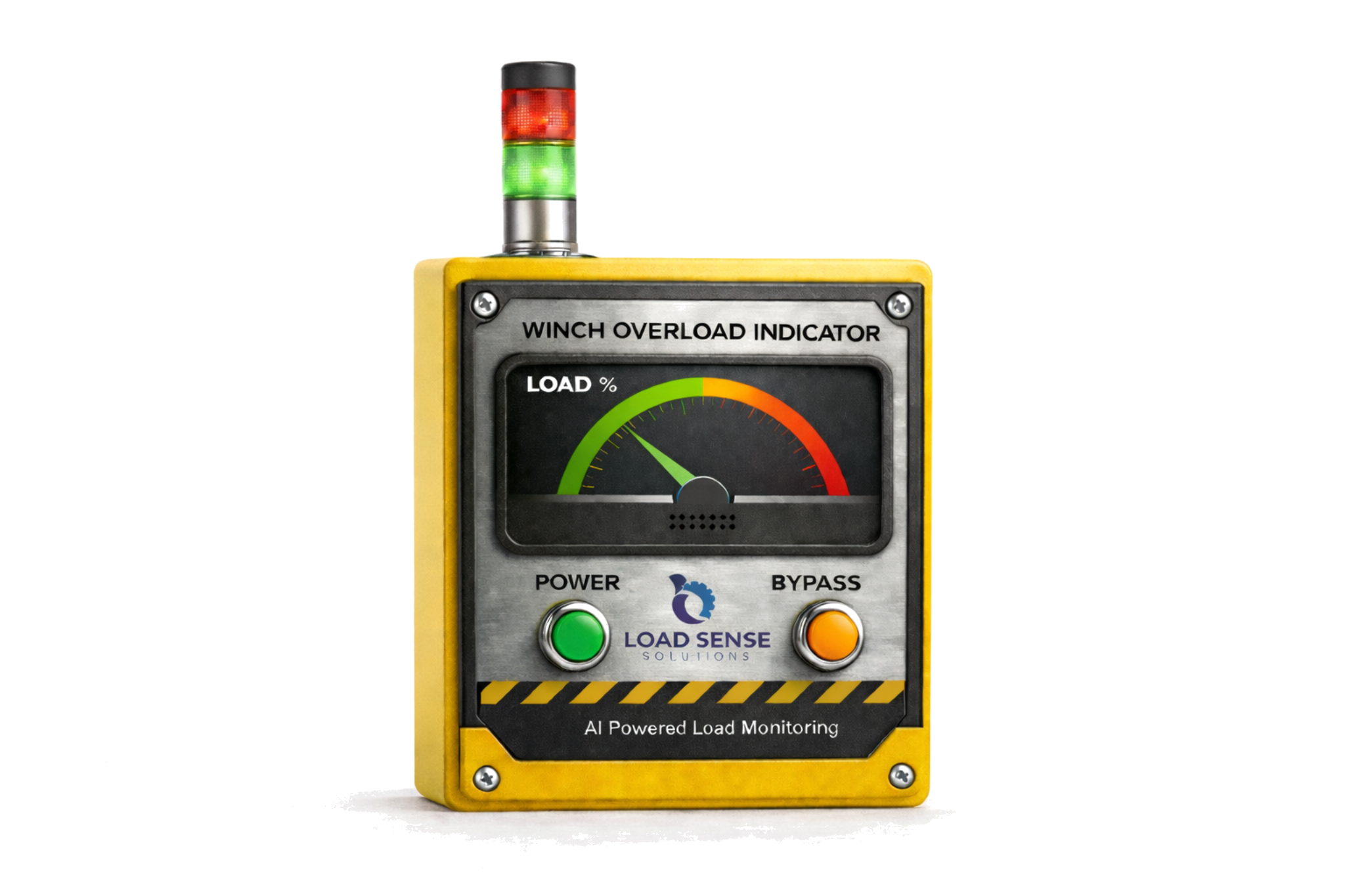
Load Sense Solutions proudly presents India first an AI-powered Overload Indicator System designed exclusively for winches and pulling machines. Our intelligent system ensures safe, reliable, and efficient operations by preventing overloading and optimizing performance through data-driven insights.

⚙️ How It Works

Our AI-based overload indicator collects and processes data from three key winch parameters (via Sensor Input):

  • Gear Ratio
  • Engine RPM
  • Load Data (via Sensor Input)

By combining these inputs with advanced AI algorithms, the device provides real-time load calculation and continuous monitoring to ensure operations remain within safe limits.

🧩 Automatic Self-Test Mode

When powered on, the system automatically performs a Self-Test to verify all sensor connections and internal functions. If everything is normal, the system seamlessly transitions to Operational Mode.

If any issue is detected, the device alerts the operator, ensuring maximum reliability and safety before every operation.

🚦 Smart Load Zones

🧩 Safe Zone: Operation within approved load limits.

🔴 Overload Zone: Excess load detected — triggers both visual and audible alarms instantly.

The system’s emergency alarm system automatically activates whenever overload conditions arise, allowing quick corrective action and preventing potential damage or accidents.

🧠 AI-Based Wire Selection Mode

Every wire rope has a different load capacity.

Our Wire Selection Mode allows users to choose the rope size as per operational needs. Once selected, the AI system auto-adjusts safety parameters according to that wire’s capacity, ensuring accurate and secure operation at all times.

🔍 Why Install an Overload Indicator on Your Winch?

  • ✅ Enhanced Safety

    Protect your operators and equipment from accidents caused by overloading.

  • ✅ Reduce Equipment Wear

    Prevent premature damage to motors, gears, and wire ropes.

  • ✅ Improve Operational Efficiency

    Accurate real-time feedback helps operators maintain optimal performance.

  • ✅ Compliance & Reliability

    Meet modern safety and compliance standards for winching and pulling equipment.

  • ✅ Predictive Maintenance

    AI-based monitoring and data logging support early fault detection and maintenance planning.

💡 Key Features

  • • Real-Time Load Monitoring

    • AI-Based Load Calculation

    • Automatic Self-Test Mode

    • Visual & Audible Overload Alarms

    • Wire Rope Selection Function

    • Durable & Weatherproof Design

    • User-Friendly Display Interface

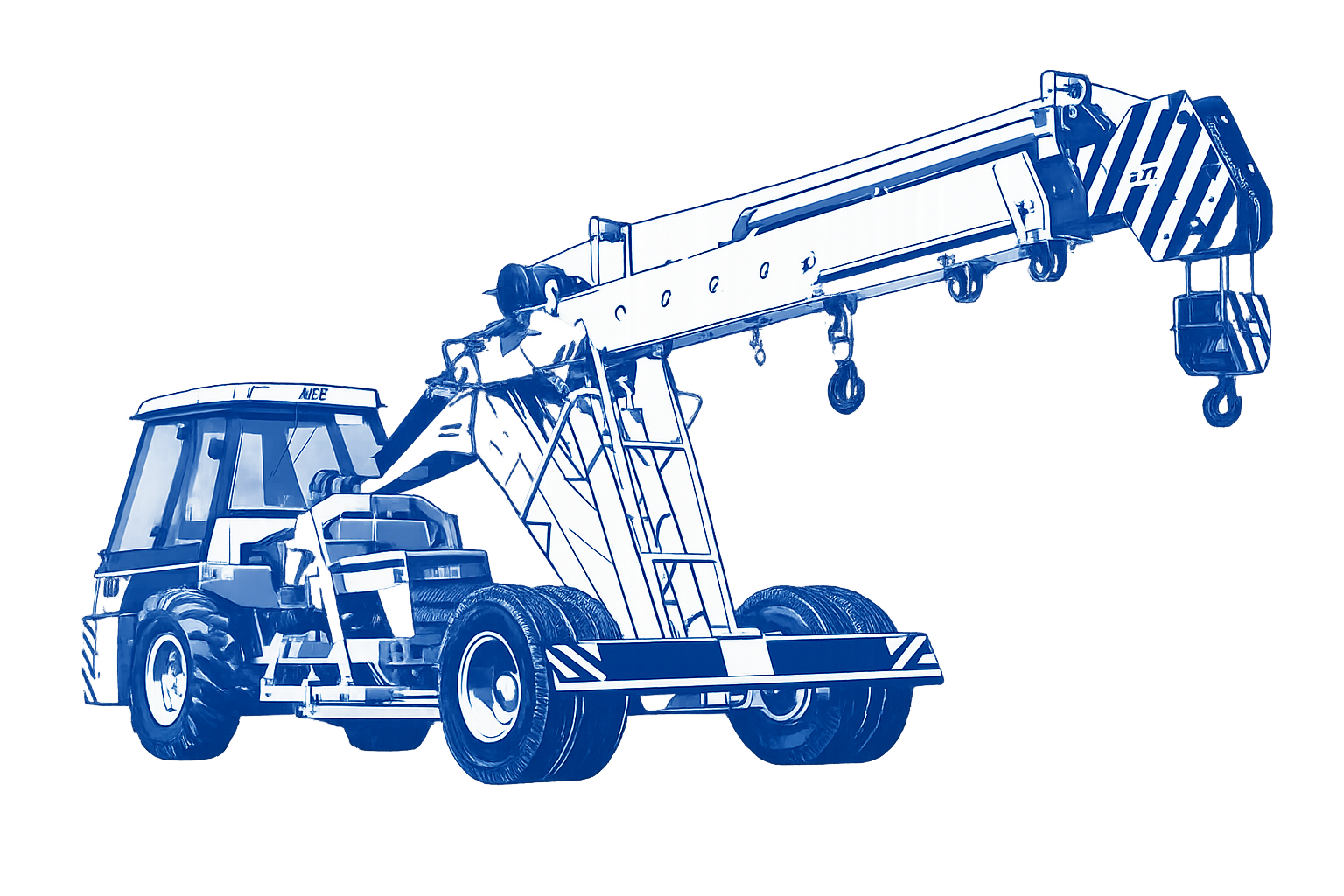
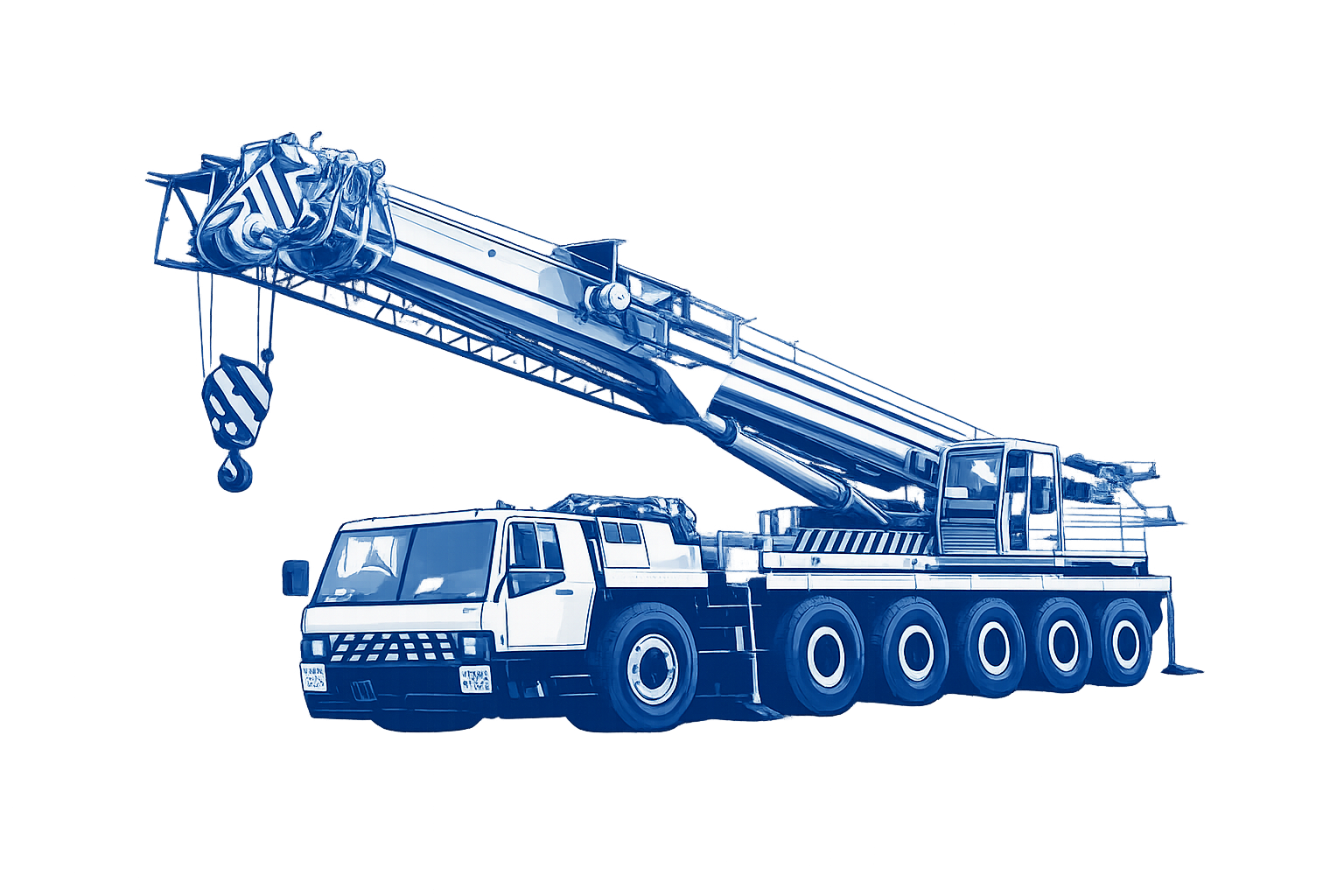
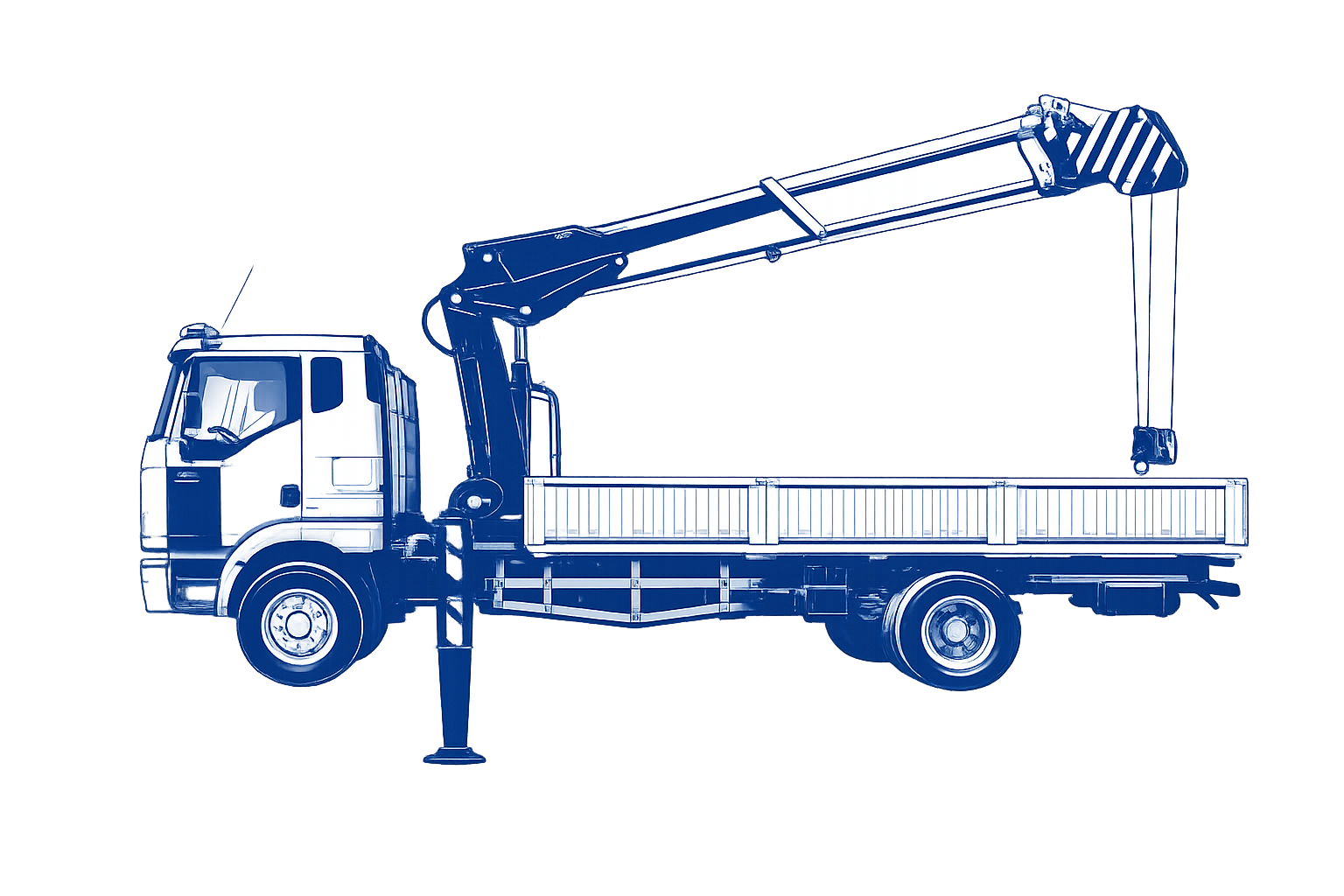
Automatic Safe Load Indicator for Cranes

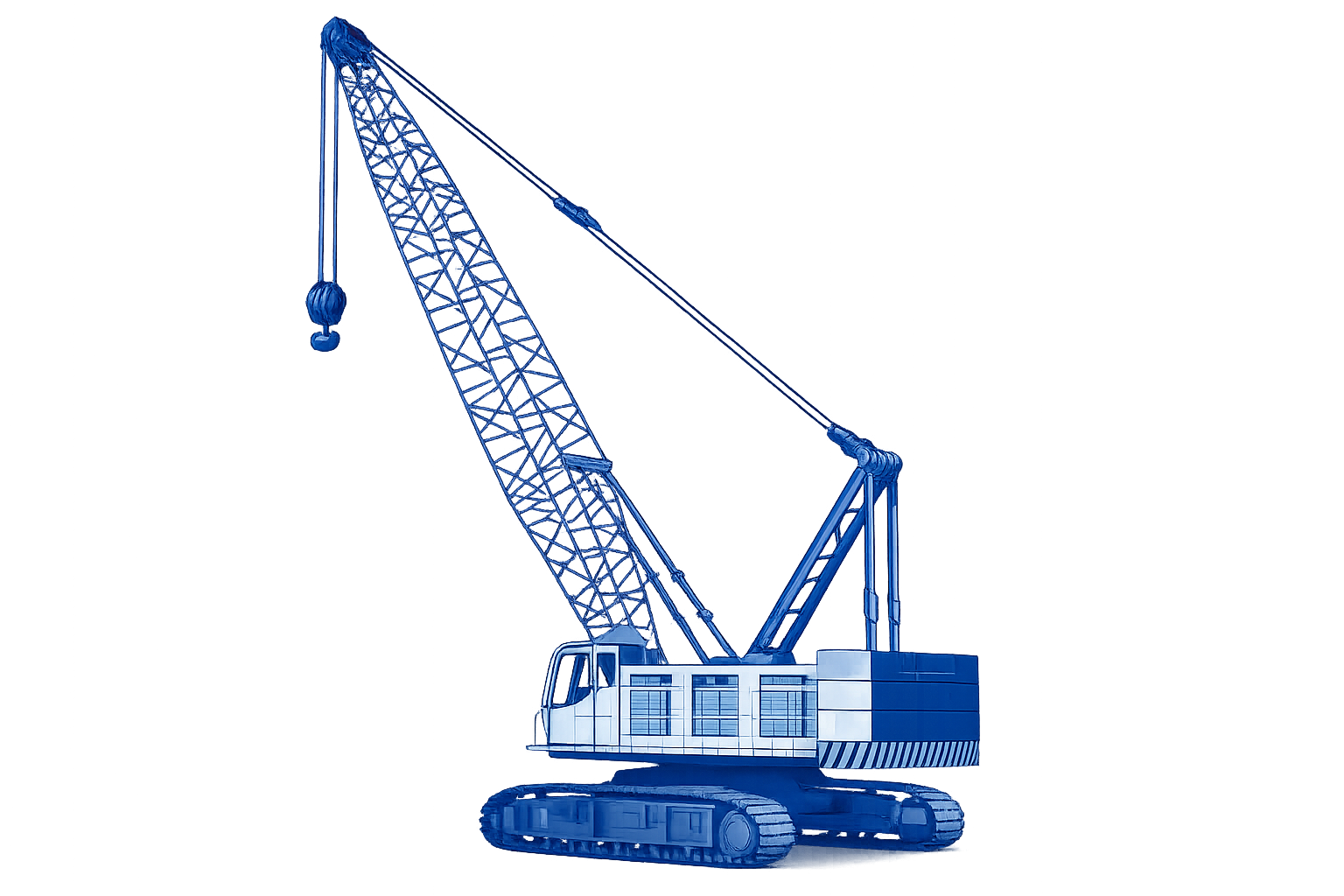
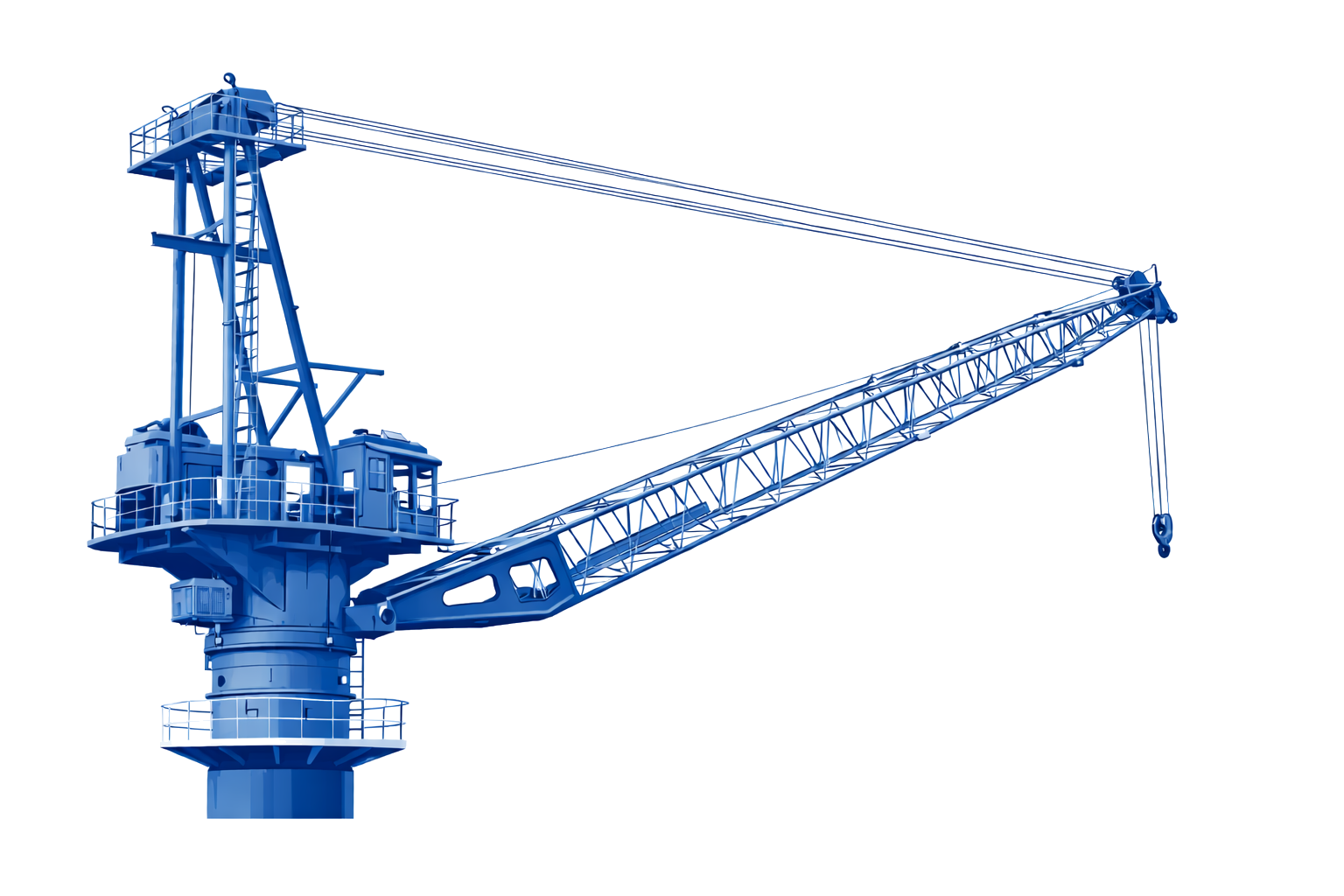
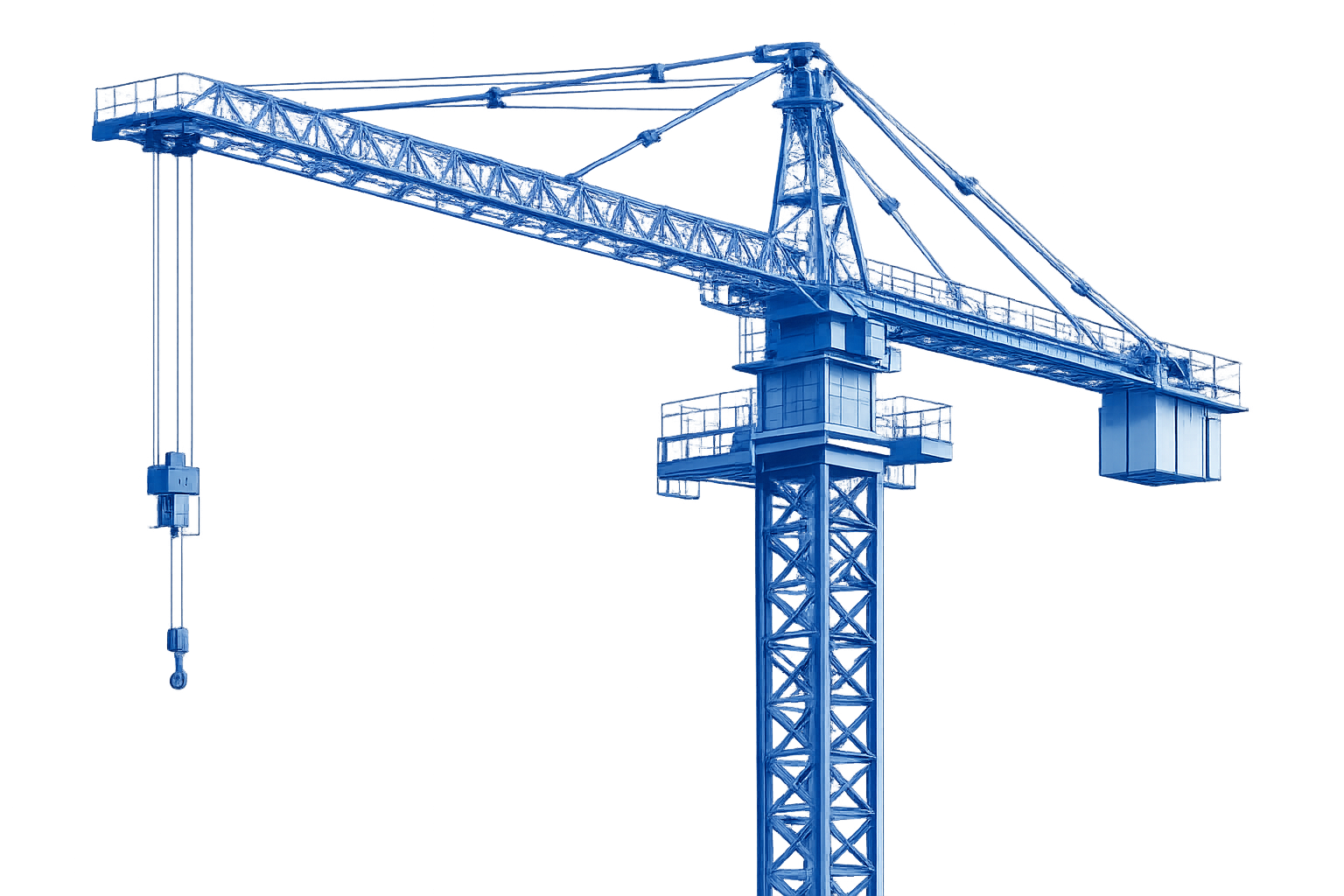
An Automatic Safe Load Indicator (ASLI) is an essential safety device used in crane operations to ensure safe and efficient lifting. Its primary function is to prevent overloading, which is one of the most common causes of crane accidents and structural failures.

The ASLI continuously monitors the load being lifted in real time, ensuring that the crane operates strictly within its Safe Working Load (SWL) limits. By providing accurate load information, the system significantly reduces the risk of accidents, injuries, equipment damage, and costly downtime.

The system continuously measures the load on the crane’s hook or lifting mechanism and alerts the operator through visual and audible warnings if the load approaches or exceeds the crane’s maximum safe capacity. This prevents the crane from attempting unsafe lifts and helps avoid catastrophic failures.

  • Key Benefits of Automatic Safe Load Indicator

    • Enhanced operational safety

    • Prevention of crane overloading

    • Real-time load monitoring and display

    • Clear operator guidance with alarms and indicators

    • Data logging for analysis and compliance

    • Supports regulatory and safety standard compliance

    • Reduces maintenance costs and equipment damage

    • Improves operational efficiency and productivity

By providing precise load data and early warnings, the ASLI allows operators to work more confidently and efficiently, resulting in faster, safer, and more accurate load handling. This leads to improved productivity and safer lifting operations across various industries.